Wicklow Mountains Gentle Strolls for Autumn
Explore three easy walks through Ireland's oldest mountain range. Seasonal tips, wildflower spotting, and what to pack for changing weather.

Why Wicklow in Autumn
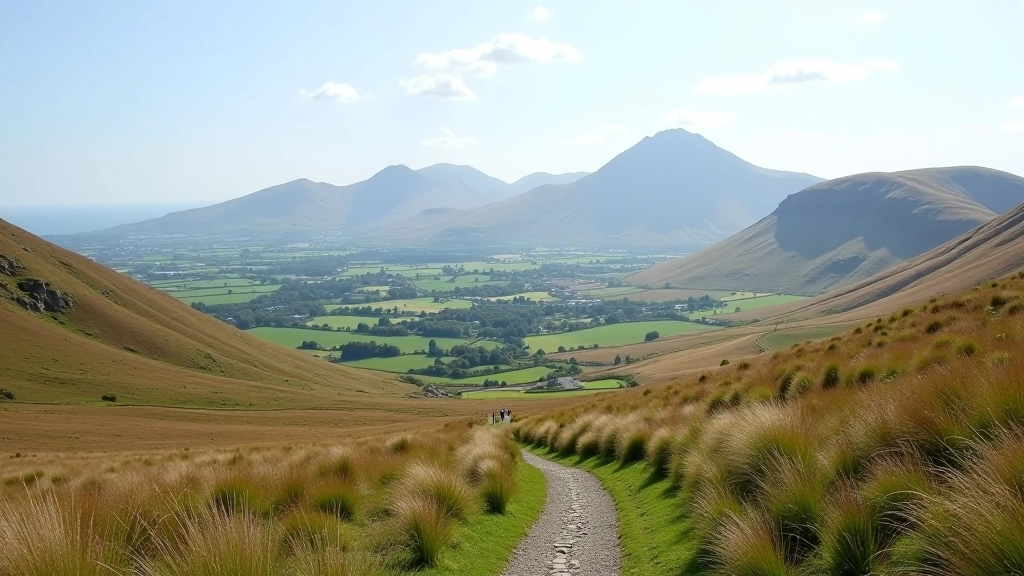
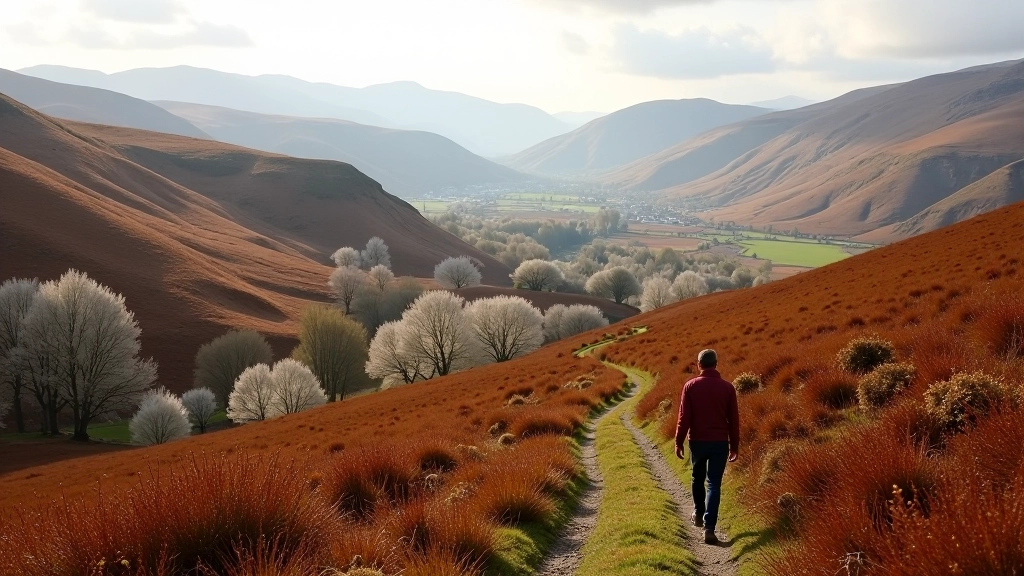
Autumn transforms the Wicklow Mountains into something special. The crowds thin out, temperatures drop to a comfortable range, and the light turns golden across the valleys. You'll notice changes in the landscape daily — bracken shifting from green to copper, berries appearing on the rowan trees, and that crisp morning air that makes you feel truly alive.
We've selected three walks that showcase the best of this season. Each one's manageable — ranging from 2 to 4 miles — and follows well-marked trails with natural rest spots along the way. You don't need special equipment beyond good walking shoes and layers. That's the beauty of these routes. They're accessible, rewarding, and honestly, some of the most beautiful walks you'll find anywhere in Ireland.
Glendalough Round Valley Walk
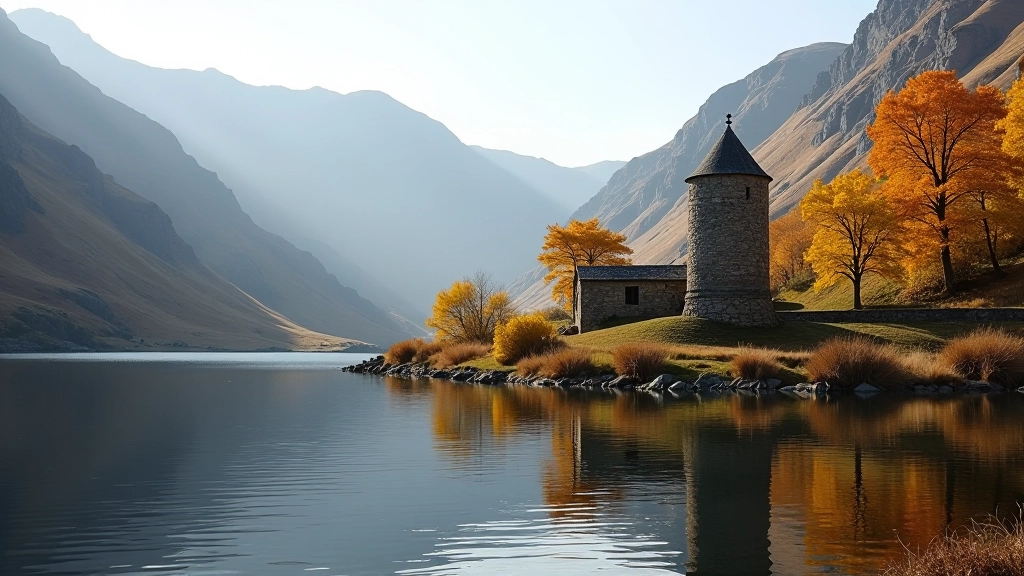
This is the gentlest of the three — just 2.5 miles around the valley floor. You'll start near the ancient monastic settlement and follow the trail alongside the upper lake, with views of the valley cliffs above you. The path's mostly flat with only minor elevation changes, and you've got multiple exit points if you need to turn back early.
Quick Facts
- Distance: 2.5 miles (4 km)
- Time: 1.5 hours at easy pace
- Elevation gain: 150 feet (45m)
- Best for: First-time walkers
- Season highlight: Golden light on the lakes
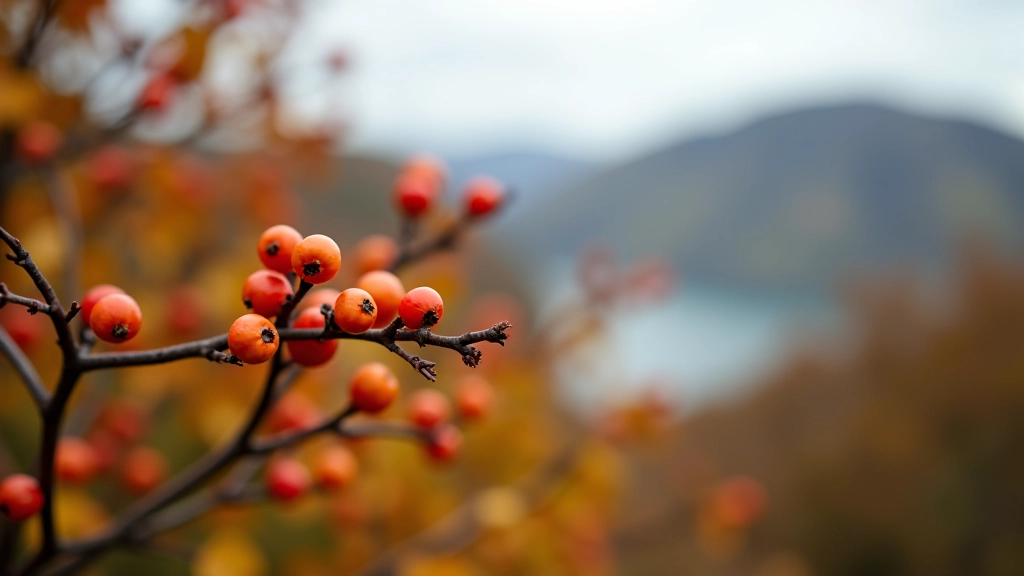
In autumn, the water reflects the changing leaves beautifully. You'll see rowan berries hanging over the path — deep orange and red clusters that stand out against the green. There's a small café near the visitor center if you want tea after your walk. It's perfect if you're combining it with exploring the ancient round towers nearby.
Djouce Mountain Easy Ridge
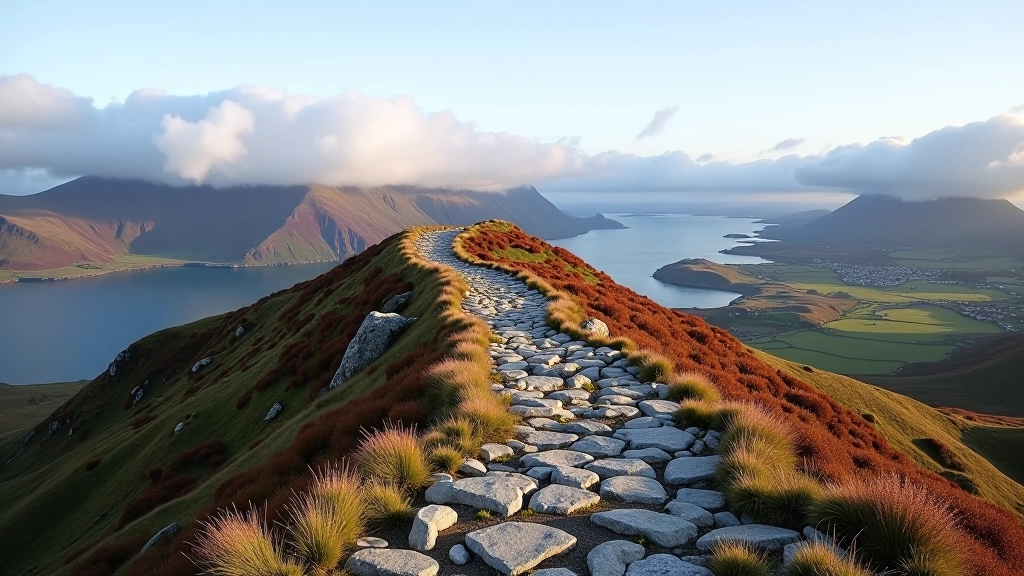
If you're feeling slightly more adventurous, this walk climbs steadily but never steeply. You'll gain about 600 feet over 3 miles, reaching a viewpoint that overlooks five different valleys. The trail's well-maintained with gravel and stone steps. Cairns mark the way, so you won't get lost. And here's the thing — you don't have to reach the top. Stop at any viewpoint and you've had a great walk.
What to Expect
- Distance: 3 miles (4.8 km) to viewpoint
- Time: 2-2.5 hours
- Elevation gain: 600 feet (180m)
- Difficulty: Easy-moderate
- Reward: Panoramic valley views
The autumn colors up here are striking. From the ridge, you're looking down at forests shifting through orange, gold, and bronze. On clear days, you can see toward Wicklow Town and the coast beyond. There's a sheltered spot near the top where locals sit and have lunch — perfect for a rest with a view.
Powerscourt Waterfall Valley Loop
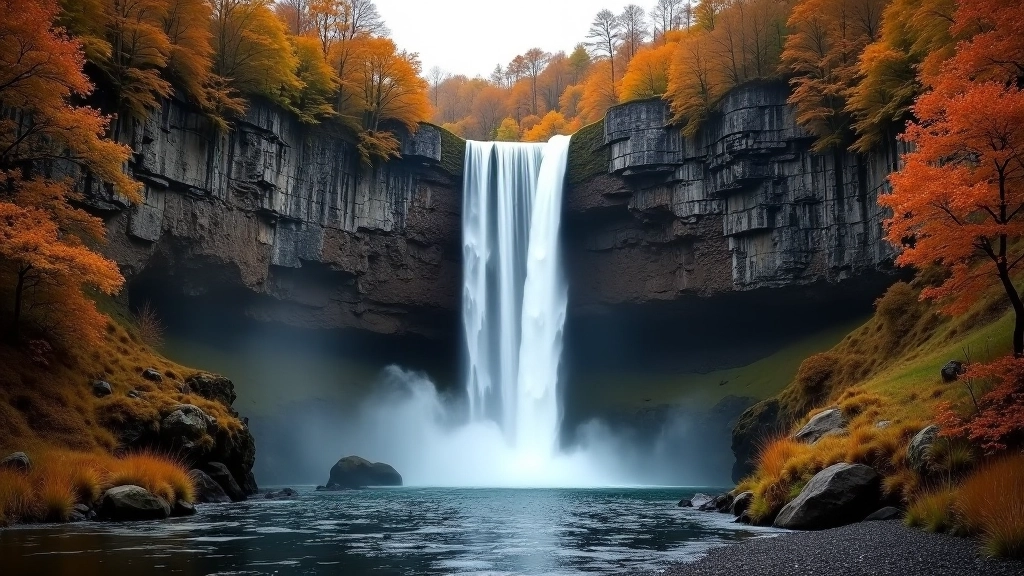
This walk's a favourite among experienced hikers but absolutely doable for seniors with decent fitness. You'll walk 4 miles through woodland and moorland to reach Ireland's highest waterfall. It's 398 feet of water cascading down, and you can get close enough to feel the spray. The terrain's varied — forest paths with roots to step over, open moorland, and rocky sections. None of it's technical, but it does demand attention to your footing.
Important Details
- Distance: 4 miles (6.4 km) round trip
- Time: 2.5-3 hours
- Elevation gain: 800 feet (240m)
- Difficulty: Moderate
- Best timing: Mid-morning to avoid afternoon crowds
Autumn water flow is strong here — the waterfall's at its most impressive. The woodland smells incredible with damp earth and decaying leaves. You'll pass stands of ancient oak trees, and if you're lucky, you might spot red squirrels. The walk's popular, so you'll usually see other people, which means it's well-maintained and safe. There's a café at the car park for afterwards.
Packing and Preparation for Autumn Walking
Layers Matter
Start with a moisture-wicking base layer. Add a fleece or wool sweater. Bring a windproof jacket. You'll shed layers as you warm up walking, and you'll want them back on at rest stops. Don't overdress at the start — you'll overheat in the first 15 minutes.
Footwear is Essential
Invest in proper walking boots with ankle support and grip. The trails aren't technical, but you need stability on loose gravel and roots. Waterproof is important — autumn means damp conditions. Break in your boots on short walks before tackling longer routes.
Hydration and Snacks
Carry at least 2 liters of water. Bring energy snacks — trail mix, energy bars, dried fruit. Even on cool days, you'll dehydrate. Many walkers forget this because they're not as thirsty in autumn, but your body still needs fluids.
Navigation Tools
Trails are marked, but bring a printed map anyway. Your phone's battery drains fast in cold weather. A whistle costs nothing and weighs nothing — it's your safety backup if you get separated from your group.
Sun Protection
Autumn sun reflects off water and can burn. Sunscreen isn't optional. Bring a hat — you lose heat through your head, and autumn wind is real. Sunglasses help on bright days, especially if there's snow on the peaks.
Know Your Limits
These aren't race walks. Walk at your pace. Take breaks whenever you need them — don't wait until you're exhausted. Sit down, have water, enjoy the view. That's not losing time. That's experiencing the walk properly.
What You'll See in Autumn
The Wicklow Mountains in autumn aren't about dramatic autumn foliage like New England. It's more subtle. The changes happen gradually. Green fades to gold. Bracken — which covers huge areas of the mountains — turns copper and rust. Heather flowers fade but their dried seed heads catch the light beautifully.
Wildflowers are still around in early autumn. You'll spot late-blooming bell heather and bilberry flowers. Rowan berries hang in bright clusters. If you're there in mid to late autumn, you might see birds moving through — thrushes, warblers — heading south for winter. The light changes too. The sun's lower, casting longer shadows, making everything look somehow more detailed and real.
Pro Tip
Visit in early autumn (September to early October) if you prefer warmer temperatures. Mid to late autumn (late October, November) brings more dramatic cloud formations and clearer air — visibility can be stunning. Either way, you're looking at cooler days and shorter daylight, so start early.
Important Notice
This guide is informational and educational. Mountain conditions change rapidly. Weather can deteriorate quickly. Before setting out on any of these walks, check current weather forecasts and trail conditions. If you have health concerns or haven't walked regularly, consult your doctor before attempting moderate walks. Always let someone know where you're going and when you expect to return. Walking in mountains carries inherent risks. You're responsible for your own safety. Carry a fully charged phone, basic first aid supplies, and tell others your planned route.
Getting Started
The Wicklow Mountains aren't remote wilderness. They're accessible, well-trodden, and deeply rewarding. You'll find parking at each starting point. The trails are maintained. The scenery is genuine. And autumn is absolutely the right time to explore them — quieter than summer, warmer than winter, and visually stunning.
Start with Glendalough if you're new to walking. Build up to Djouce if you've got some fitness. Tackle Powerscourt when you're confident. Or skip the progression and do whichever walk appeals to you most. That's the point of having options — there's something here for every level.
The mountains will be there in autumn. The light will be golden. And you'll come back home with memories and tired legs — the good kind of tired. That's what these walks are really about.
More Walking Routes